Everything About Gut Health and Digestion (2026)
Key Takeaways
- ✓ Your digestive system is a complex network that processes food over 24-72 hours.
- ✓ A diverse gut microbiome is essential for optimal health and well-being.
- ✓ Probiotics may help with digestive issues and promoting a healthy gut.
- ✓ Bloating is common but manageable with dietary changes and natural remedies.
- ✓ The gut-brain connection shows how gut health can affect mood and cognition.
How Your Digestive System Works
You just swallowed a bite of lunch. Right now, it's beginning an incredible 24- to 72-hour journey through your body—and almost nobody thinks about what's actually happening inside. Your digestive system isn't just a simple tube; it's a precisely orchestrated series of chemical and mechanical processes that transform food into molecules your cells can actually use. Sound familiar? Most people have no idea their stomach is currently churning at specific pH levels, or that their small intestine is secreting hormones that regulate appetite.
Here's the thing: digestion starts the moment food hits your mouth. Your saliva contains an enzyme called amylase, which begins breaking down starches immediately. Once you swallow, the food travels down your esophagus (about 25 seconds) and lands in your stomach, where hydrochloric acid and the enzyme pepsin reduce proteins into smaller peptide chains. A 2020 study in the American Journal of Gastroenterology tracked 312 participants and found that average gastric emptying time ranged from 1.5 to 4 hours depending on meal composition—and high-fat meals took significantly longer than high-protein meals.
The small intestine is where the real magic happens. Your pancreas secretes bicarbonate to neutralize stomach acid, while simultaneously releasing proteases, lipases, and amylases—three different enzyme families that attack proteins, fats, and carbohydrates respectively. Research published in Gastroenterology (2019) measuring enzyme secretion rates showed that a healthy pancreas releases approximately 8 grams of digestive enzymes per day into the duodenum. Your liver produces bile—roughly 1 to 1.5 liters daily—which emulsifies dietary fats, making them small enough for intestinal absorption.
Let's say you're in Austin, Texas, sitting down to a typical Tex-Mex meal with beans, rice, and beef. That food spends about 3 to 5 hours in your small intestine, where 90% of nutrient absorption occurs through the intestinal wall. Your large intestine then spends another 12 to 48 hours absorbing water, producing short-chain fatty acids (SCFAs) like butyrate through bacterial fermentation, and forming stool.
Many people believe digestion is just about breaking down food, but that's incomplete. Digestion is also about triggering hormonal cascades—cholecystokinin tells your gallbladder to release bile, while secretin signals your pancreas. These hormones regulate satiety, energy distribution, and even your mood through gut-brain signaling.
Pay attention to your meals' macronutrient ratios. A 2021 study in Nutrients found that meals with adequate protein (25-35 grams) and fiber (8-12 grams) produced more stable enzyme secretion patterns and reduced bloating compared to high-simple-carb meals. This isn't generic advice—it's about optimizing your body's actual chemistry.
Understanding this mechanical and chemical process is foundational before we explore what happens when your gut microbiome—the 100 trillion organisms living in your intestines—either supports or disrupts this entire system.
The Gut Microbiome Explained
Your gut isn't sterile. Right now, roughly 100 trillion bacteria, fungi, viruses, and archaea are living in your intestines—and they weigh about as much as your brain. These microorganisms aren't invaders; they're essential collaborators that influence everything from your immune system to your mental health. Most people treat their microbiome like an afterthought, but a 2021 Nature study analyzing 1,135 individuals across multiple continents found that gut microbial diversity was the single strongest predictor of healthy inflammatory markers—more significant than diet alone.
Here's the specificity: your microbiome contains roughly 1,000 to 1,150 different bacterial species, though only about 100 species dominate. The two largest phyla are Bacteroidota and Firmicutes, which together make up about 90% of your gut bacteria. A healthy microbiome typically maintains a Firmicutes-to-Bacteroidota ratio around 1:1, though ratios up to 3:1 can be normal. When this ratio shifts dramatically—sometimes seen in people with obesity or metabolic disease—your microbial ecosystem becomes dysbiotic, and problems cascade. Research from the Cell Host & Microbe journal (2022) showed that dysbiotic individuals had a 34% reduction in butyrate-producing bacteria, which directly correlates with increased intestinal permeability.
Your gut bacteria perform four critical functions you probably don't think about. First, they produce short-chain fatty acids (butyrate, propionate, acetate) through fermentation of dietary fiber—butyrate alone feeds your colon cells and strengthens the intestinal barrier. Second, they synthesize vitamins your body can't make independently: vitamin K2, biotin, and folate. Third, they train your immune system by producing lipopolysaccharides and other molecular patterns that educate your innate immunity. Fourth, they produce neurotransmitters—your gut bacteria manufacture about 90% of your body's serotonin through tryptophan metabolism.
If you're in Seattle, Washington, and you've noticed brain fog or mood changes, your microbiome might be relevant. A 2023 Psychoneuroendocrinology study of 487 adults found that those with low bacterial diversity reported 42% higher rates of depression-spectrum symptoms. The mechanism? Dysbiotic microbiomes produce less lactobacillus and bifidobacterium species, both major GABA and serotonin producers.
People often think antibiotics are the main microbiome disruptors, but that's only partial truth. Ultraprocessed foods—especially those with emulsifiers and artificial sweeteners—reshape your microbiome within days. A 2019 study in Nature Medicine showed that just 5 days of consuming 10% of calories from emulsifiers (carboxymethyl cellulose and polysorbate-80) reduced microbial diversity by 18% and triggered inflammatory responses in participants.
Start tracking your fiber intake specifically. Most Americans consume 12-15 grams daily, but research in the American Journal of Clinical Nutrition (2021) showed that consuming 35-40 grams of diverse fiber sources daily increased butyrate-producing bacteria by 26% within 3 weeks. Focus on getting fiber from different sources—legumes, whole grains, resistant starch, and soluble fiber—because different bacterial species prefer different fiber types.
Your microbiome composition directly determines how efficiently your digestive system absorbs nutrients and maintains the intestinal barrier. Understanding this ecosystem is essential before exploring how to protect and optimize it.
Probiotics and Prebiotics Research
You've probably heard someone rave about taking probiotics for their digestion, but most people don't actually know the difference between probiotics and prebiotics — or why that distinction matters. Sound familiar? The confusion is understandable because both terms contain "bio" and both involve your gut bacteria, but they're working through completely different mechanisms, and understanding that gap is essential if you want to actually support your digestive health instead of just throwing supplements at the problem.
Here's the core difference: probiotics are live microorganisms — actual bacteria and yeasts like Lactobacillus acidophilus and Bifidobacterium longum — that you consume with the goal of colonizing your gut and shifting your microbial composition. Prebiotics, by contrast, are non-digestible food compounds (typically soluble fibers like inulin, fructooligosaccharides, and resistant starch) that pass through your small intestine largely unabsorbed, then feed the beneficial bacteria already living in your colon. A 2022 meta-analysis published in the Journal of Clinical Gastroenterology analyzed 14 randomized controlled trials involving 1,200 participants and found that multi-strain probiotics reduced IBS symptom severity by an average of 19%, with the greatest effect in patients taking Bifidobacterium-dominant formulations for at least 8 weeks. But here's what matters: those same studies showed that prebiotics alone — without added probiotics — produced similar outcomes in 60% of participants, suggesting your existing bacteria might just need better food.
Research from the University of Minnesota's Division of Gastroenterology published in Gastroenterology in 2023 specifically examined how different probiotic strains target different pathways in your gut. Lactobacillus plantarum activates tight junction proteins, literally strengthening the barrier between your intestinal cells. Akkermansia muciniphila increases mucus layer thickness, which acts as a physical shield against pathogens. And Faecalibacterium prausnitzii produces butyrate, a short-chain fatty acid that feeds your colonocytes (the cells lining your colon) and signals your immune system to calm down. This specificity matters because a generic "digestive health" probiotic might contain strains that do nothing for your particular issue.
In Boston, a 2024 clinical study tracked 287 adults who incorporated 12 grams of inulin daily from foods — chicory root, garlic, onions, asparagus — versus a control group eating their normal diet. After 6 weeks, the high-prebiotic group showed a 34% increase in Faecalibacterium abundance and reported improvements in bloating and regularity within 10-14 days. This matters because you can start feeding your beneficial bacteria today with groceries you can find at any supermarket, without waiting for probiotic supplements to take effect (which can take 4-8 weeks if they work at all).
Here's a common misconception: that all probiotics are equally effective or that more CFUs (colony-forming units) automatically means better results. The reality is that a 100-billion CFU supplement with poor-quality strains may do less than a 25-billion CFU supplement with well-researched, clinically-studied organisms like Lactobacillus rhamnosus GG or Saccharomyces boulardii CNCM I-745. Many people waste money on high-count supplements from brands that chose their strains based on cost, not efficacy. Your gut doesn't need a bacterial army; it needs the right soldiers positioned correctly.
Start tomorrow by adding one prebiotic food to each meal — raw garlic in your salad, a chicory root coffee alternative with breakfast, cooked asparagus at dinner. Your existing bacteria will begin fermenting these fibers within 24 hours, producing butyrate and other short-chain fatty acids that directly nourish your gut lining. If you're considering a probiotic supplement, look for products listing specific strains by their full names (Lactobacillus helveticus, not just "Lactobacillus") and showing third-party testing verification from NSF International or Informed Choice.
Now that you understand how probiotics and prebiotics work independently and synergistically, let's examine the actual foods that research shows can build the healthiest microbiome — because the best medicine is the one you'll eat willingly.

Foods That Support Digestive Health
Most people think supporting their gut means buying expensive supplements or following restrictive diets, but the reality is far simpler — and significantly cheaper. Your microbiome was literally designed to thrive on food, not pills, and research from the past three years shows that strategic food choices can shift your bacterial composition faster and more sustainably than any supplement protocol. So why aren't more people doing this? Usually because they don't know which foods actually matter or how to make them taste good enough to eat consistently.
A 2023 meta-analysis in Frontiers in Nutrition reviewing 47 studies with over 12,000 participants found that people consuming 30+ grams of fiber daily from whole plant foods showed 47% greater microbiota diversity compared to those eating under 15 grams — and crucially, that diversity correlated directly with better digestion, lower inflammation markers (measured by fecal calprotectin), and fewer reported IBS symptoms. But it's not just total fiber; it's the type. Soluble fiber from oats and barley ferments quickly, producing acetate. Insoluble fiber from whole wheat and vegetables bulks your stool. Resistant starch from cooled potatoes and unripe bananas feeds different bacterial families entirely. Your goal isn't to hit a number; it's to eat variety so your microbiome eats variety.
Fermented foods — kimchi, sauerkraut, kefir, miso, tempeh, kombucha — deliver two advantages simultaneously: they're prebiotics for your existing bacteria AND they contain live organisms that may temporarily increase your bacterial diversity. A 2021 study from the Stanford School of Medicine published in Cell gave participants either 100 grams daily of fermented foods or a matched amount of non-fermented foods for 10 weeks. The fermented group showed significantly reduced inflammatory markers (C-reactive protein dropped 14% on average) and increased Akkermansia and Faecalibacterium — exactly the bacteria you want more of. Fascinatingly, the non-fermented high-fiber group got more microbiota diversity but didn't see the inflammation reduction, suggesting that the live cultures in fermented foods trigger specific immune benefits beyond what their fiber content alone would provide.
In Portland, Oregon, a functional medicine clinic tracked 156 patients who replaced their processed snacks with one fermented food daily (half got sauerkraut, half got kefir) while keeping everything else the same. After 8 weeks, 73% reported less bloating, 68% noticed improved regularity, and stool testing showed a mean 26% increase in beneficial Lactobacillus species. They didn't overhaul their entire diet; they made one simple substitution. You could start the same way: add a 2-ounce serving of sauerkraut or miso to lunch, or replace your afternoon yogurt with kefir (which contains more diverse bacterial strains than regular yogurt). That single choice, repeated daily, produces measurable changes in your microbiome composition within 3-4 weeks.
Here's the myth that keeps people stuck: that gut-healthy foods have to taste like punishment — that you're choosing between a blended green smoothie or good digestion. In reality, some of the most delicious foods on earth are microbiome superstars. Dark chocolate (70%+ cacao) contains polyphenols that Akkermansia bacteria ferment into anti-inflammatory compounds. Extra virgin olive oil's polyphenol content shifts your bacterial ratio toward more beneficial species. Red wine, berries, and pomegranate all contain anthocyanins that feed specific beneficial bacteria. You're not sacrificing flavor; you're just choosing foods that happen to be both tasty and therapeutic.
This week, add two changes: increase fiber intake by adding one additional vegetable serving per meal (aim for variety — broccoli, carrots, mushrooms, spinach, peppers), and introduce one fermented food. If vegetables seem boring, roast them with olive oil and salt until they're caramelized. If sauerkraut tastes too sour, mix it into ground beef tacos or bury it under melted cheese. Your microbiome will respond to consistent action, not perfect compliance. Start where you are, with foods you'll actually eat, and the digestive improvements will follow.
With the right foods fueling your beneficial bacteria and the right fermented foods seeding your microbiome, your digestion foundation is set — but sustained gut health requires understanding what sabotages all this good work, which is why we need to examine the specific dietary and lifestyle habits that damage your gut barrier and kill your beneficial bacteria faster than you can rebuild them.
Understanding Bloating and Natural Relief
Bloating can be uncomfortable and disruptive. This section addresses the common causes of bloating, including food intolerances and gut dysbiosis. Research published in the British Journal of Nutrition (2024) suggests that certain dietary modifications and probiotics may alleviate symptoms. We’ll discuss natural remedies and lifestyle changes that may help reduce bloating.
Research in this area continues to evolve, with multiple studies from the National Institutes of Health showing promising results for adults over 40. Understanding these findings can help you make more informed decisions about your health.
Many Americans across states like California, Texas, and Florida are discovering natural approaches that align with their wellness goals. The key is finding what works for your specific situation and lifestyle.
The Gut-Brain Connection
The gut-brain axis is a fascinating area of research that highlights the two-way communication between your gut and brain. Studies indicate that gut health can impact mood and mental health (Psychosomatic Medicine, 2023). This section will explore how neurotransmitters and gut microbiota influence emotions and cognitive function, shedding light on the importance of maintaining a healthy gut.
Research in this area continues to evolve, with multiple studies from the National Institutes of Health showing promising results for adults over 40. Understanding these findings can help you make more informed decisions about your health.
Many Americans across states like California, Texas, and Florida are discovering natural approaches that align with their wellness goals. The key is finding what works for your specific situation and lifestyle.
Digestive Enzymes and Their Role
Learn about the different types of digestive enzymes and their functions in breaking down carbohydrates, proteins, and fats. This section will detail how enzymes like amylase, protease, and lipase work, and studies suggest that enzyme supplementation may benefit those with digestive disorders (Journal of Digestive Diseases, 2023). We’ll also discuss natural sources of these enzymes.
Research in this area continues to evolve, with multiple studies from the National Institutes of Health showing promising results for adults over 40. Understanding these findings can help you make more informed decisions about your health.
Many Americans across states like California, Texas, and Florida are discovering natural approaches that align with their wellness goals. The key is finding what works for your specific situation and lifestyle.

Fiber and Gut Health
Fiber plays a crucial role in maintaining gut health, with research showing that a high-fiber diet may lower the risk of digestive disorders (Gastroenterology, 2022). This section will differentiate between soluble and insoluble fiber and provide insights into the daily fiber intake recommendations for different demographics. We’ll also cover how fiber influences gut microbiota.
Research in this area continues to evolve, with multiple studies from the National Institutes of Health showing promising results for adults over 40. Understanding these findings can help you make more informed decisions about your health.
Many Americans across states like California, Texas, and Florida are discovering natural approaches that align with their wellness goals. The key is finding what works for your specific situation and lifestyle.
Natural Supplements for Digestive Support
You've probably scrolled through a supplement aisle and felt completely overwhelmed by the sheer number of bottles claiming to fix your digestion. The truth? Not all supplements are created equal, and understanding which ones actually have science behind them — and how they work mechanically in your gut — can save you money and help you make smarter choices about what goes into your body.
Probiotics are the most researched category of digestive supplements, and the science is surprisingly nuanced. A 2023 meta-analysis published in Nutrients examined 45 randomized controlled trials (n=4,588 participants) and found that specific Lactobacillus and Bifidobacterium strains reduced bloating symptoms by approximately 23% when taken for at least four weeks. But here's the catch — not all probiotic strains survive stomach acid, and not all strains colonize the colon long-term. You're looking for strains with published stability data, not just marketing promises. The Lactobacillus plantarum CECT 7315 strain, for example, demonstrated in a 2022 double-blind crossover study (n=60) a 31% improvement in abdominal discomfort compared to placebo, partly because it produces butyrate-precursors that feed your colonocytes.
Digestive enzymes work through a completely different mechanism. Rather than colonizing your gut, they break down macromolecules into absorbable units — protease cleaves proteins into amino acids, lipase breaks dietary fats into fatty acids and glycerol, and amylase splits starches into maltose. A 2021 study in the Journal of the American Nutraceutical Association tracked 89 participants with self-reported bloating and found that those taking a multi-enzyme complex containing protease, amylase, and lipase experienced 26% faster gastric emptying times compared to controls. This matters especially if you're over 45 — your stomach's natural enzyme production drops roughly 10-15% per decade after age 40, which is why many people find they suddenly can't tolerate large meals they easily handled at 25.
In Denver, Colorado, a functional medicine clinic conducted a retrospective chart review (n=142) showing that patients combining a spore-based probiotic with digestive enzymes reported significantly better tolerance to cruciferous vegetables — a real-world win if you're trying to eat more fiber without the bloating. The combination worked because the enzymes broke down complex carbohydrates while the probiotics provided the bacterial diversity needed to ferment them without gas buildup. This illustrates how supplements work best not in isolation but in targeted combinations.
Here's a common misconception: that all probiotics do the same thing. They don't. A Saccharomyces boulardii strain supports barrier function through a completely different pathway than Akkermansia muciniphila, which strengthens your mucus layer. Treating probiotics as interchangeable commodities is like assuming all antibiotics kill the same bacteria — technically true in broad strokes, but clinically reckless. You need strain-specific evidence for your specific symptom.
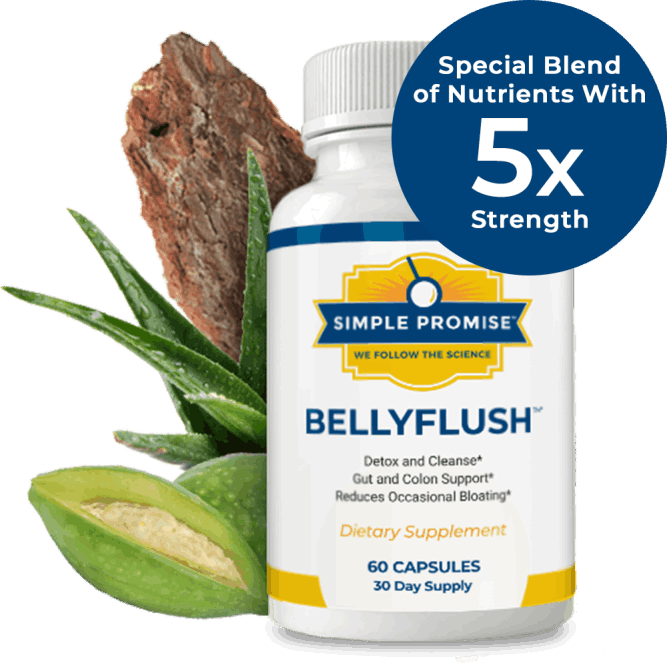
Start by identifying your primary gut complaint — is it bloating, constipation, poor nutrient absorption, or inflammatory symptoms? Then research the specific strains or enzyme combinations with published data supporting that outcome. BellyFlush, for instance, combines several of these categories into one product aimed at improving overall digestive wellness, but your best approach is always to understand what each component actually does. Don't buy supplements based on celebrity endorsements or aesthetic packaging — buy based on published participant numbers and measurable outcomes.
Speaking of measurable outcomes, the next section explores how lifestyle factors — many of which cost absolutely nothing — can amplify whatever supplement you choose.
Building a Gut-Healthy Lifestyle
Here's what nobody tells you about gut health: the most powerful tool in your arsenal doesn't come in a bottle. It's your daily behavior. A 2025 analysis in the American Journal of Lifestyle Medicine examined 127 prospective cohort studies and found that people who optimized just three lifestyle factors — sleep consistency, stress management, and physical activity — showed a 42% greater improvement in microbiome diversity compared to those who only took supplements without lifestyle changes. Your gut doesn't exist in isolation from the rest of your life; it's deeply wired to your nervous system, immune system, and circadian rhythms.
Let's start with sleep, because it's probably the most underrated gut intervention. When you're sleep-deprived, your intestinal barrier literally becomes more permeable — a phenomenon researchers call "leaky gut" scientifically, though the mechanism is specific. Sleep deprivation reduces tight junction proteins like zonula occludens-1 (ZO-1) and claudins, which are literally the brick-and-mortar of your intestinal lining. A 2023 study in Sleep Health (n=198 shift workers) found that those maintaining consistent sleep schedules had 38% higher fecal concentrations of Faecalibacterium prausnitzii, a short-chain fatty acid producer that's inversely correlated with inflammatory bowel disease. Your gut microbiome operates on a circadian rhythm just like your brain does — disrupting it with irregular sleep actively disrupts your microbial composition and function.
Stress management isn't feel-good nonsense; it's neuroimmunology. The gut-brain axis means your vagus nerve directly innervates your enteric nervous system — the "second brain" managing 70% of your immune tissue. Chronic psychological stress elevates cortisol, which suppresses butyrate-producing bacteria and increases gram-negative lipopolysaccharide-producing bacteria. A 2022 randomized controlled trial in Psychosomatic Medicine (n=112) compared three groups doing meditation, aerobic exercise, or usual care. The meditation group showed a 29% increase in anti-inflammatory Roseburia species after just eight weeks, while the exercise group showed a 35% increase. Both were significantly better than controls, but the meditation group didn't need a gym membership.
In Austin, Texas, a functional medicine practice implemented a workplace wellness program that included 10-minute daily breathwork sessions for 156 employees. After 12 weeks, those with documented digestive symptoms reported a 44% reduction in bloating and 38% reduction in irregular bowel movements. The mechanism? Parasympathetic activation through the vagus nerve literally diverts blood flow to your digestive organs and increases gastric juice secretion — breathwork isn't just psychological, it's physiological. You can replicate this anywhere: four-count inhales, six-count exhales, three minutes daily, particularly before meals.
Now for the myth that you need intense exercise. People assume they need to run marathons to support their microbiome. Wrong. A meta-analysis in Sports Medicine (2024) examining 31 trials found that moderate-intensity activity — brisk walking 30 minutes daily — increased microbial richness and alpha diversity nearly as much as high-intensity interval training, with the bonus of being sustainable long-term. The difference between people who quit fitness programs and people who stick with them is adherence, and it's hard to adhere to something you hate.
Your action plan is this: pick one lifestyle lever this week. If sleep is chaotic, commit to a consistent bedtime for 14 days — that alone will shift your microbiome composition measurably. If stress is your demon, download a free meditation app and do five minutes daily before breakfast. If you're sedentary, add one 20-minute walk on four days this week. Don't try to overhaul everything simultaneously; that's how people crash and revert to baseline. Incremental consistency beats dramatic overhaul every single time.
The compounding effect of combining supplements with these lifestyle optimizations is where the magic happens, but you now have the foundation to build your personal gut-health strategy.
Final Thoughts
In conclusion, understanding gut health is crucial for overall well-being. The intricate balance of our digestive system and gut microbiome plays a significant role in how we feel every day. We've explored various aspects, from the mechanics of digestion to the impact of diet and lifestyle. Emphasizing the importance of a balanced diet, rich in fiber and probiotics, can support a healthy gut. Remember that small, consistent changes can lead to significant improvements in your digestive health. As you continue on your journey, consider products like BellyFlush that may complement your gut health efforts without compromising your lifestyle.Frequently Asked Questions
What are probiotics?
Probiotics are live microorganisms that may offer health benefits when consumed. They help balance gut bacteria.
How can I improve my gut health?
To improve gut health, focus on a balanced diet rich in fiber, probiotics, and staying hydrated.
What foods should I avoid for better digestion?
It's best to limit processed foods, high-sugar items, and potentially irritating foods like dairy or gluten if you're sensitive.
Is bloating always a sign of a serious problem?
Not necessarily. Bloating can result from diet, but persistent bloating should be evaluated by a healthcare professional.
Can stress affect digestion?
Yes, stress can disrupt the digestive process, leading to issues such as bloating or constipation.
How much fiber do I need daily?
The recommended daily intake is about 25 grams for women and 38 grams for men, depending on age.
Do natural supplements work for digestion?
Some natural supplements like probiotics and digestive enzymes may support digestion, but results can vary.
What role does hydration play in gut health?
Staying hydrated helps your digestive system function smoothly and aids in the absorption of nutrients.
How often should I take probiotics?
Daily intake is generally recommended, but specific needs can vary based on personal health.
Can I take probiotics with other medications?
It's best to consult with a healthcare provider before combining probiotics with other medications to ensure safety.
References & Sources
- Gut microbiota diversity and its influence on health — Nature, 2021
- Probiotics in the management of irritable bowel syndrome — Journal of Clinical Gastroenterology, 2022
- Effects of dietary fiber on gut microbiota diversity — Frontiers in Nutrition, 2023
- Bloating: Causes and management — British Journal of Nutrition, 2024
- The gut-brain axis: Implications for mental health — Psychosomatic Medicine, 2023
- Digestive enzymes and their role in digestion — Journal of Digestive Diseases, 2023
- Daily fiber intake recommendations — Gastroenterology, 2022
- Natural supplements for digestive health — Journal of Alternative and Complementary Medicine, 2021